University Overview
The University of Medicine (2) Yangon — formerly Institute of Medicine 2 — is located in North Okkalapa, Yangon, Myanmar. The university offers M.B.B.S. degrees and graduate programs (diploma, master's and doctoral) in medical science. UM2 is one of the most selective universities in the country, accepting approximately 300 students annually based solely on University Entrance Examination scores.
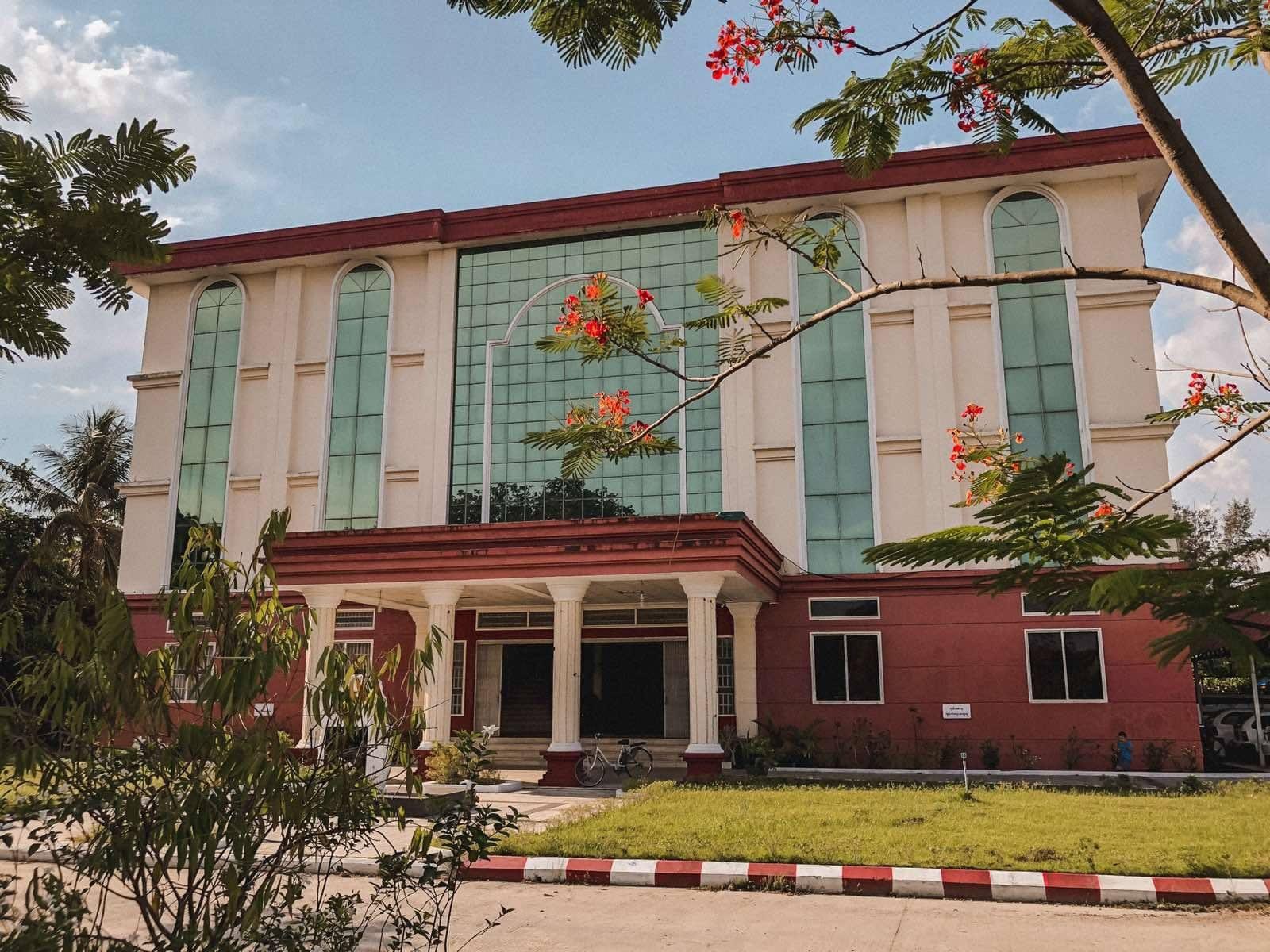
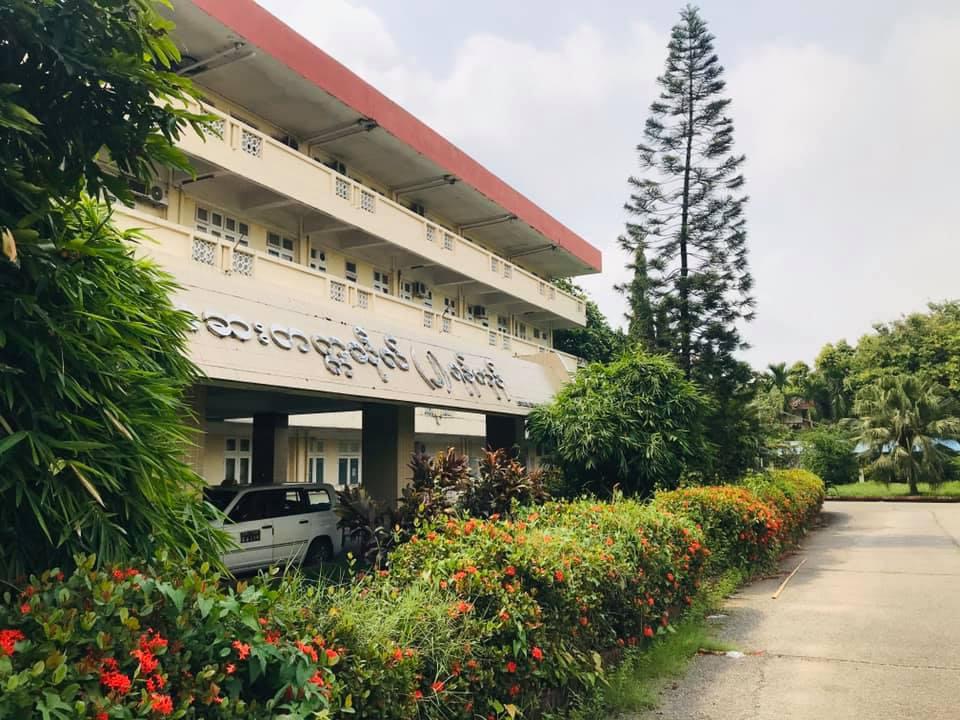
History
In 1923–24, a medical college affiliated with Calcutta University was established on Myo Ma School Road, offering M.B.B.S. degrees. In 1930, it became a medical college under Rangoon University. Following the end of the Second World War in 1946, Rangoon University was reorganized and the medical college was expanded into the Faculty of Medicine.
In 1963, the Faculty of Medicine No. 2 under Rangoon University was opened in Mingaladon. In 1964, the University Education Act was enacted and it was renamed Institute of Medicine 2. In 1973, the institution was transferred to the Ministry of Health. On 25 September 1996, the campus was relocated from Mingaladon to North Okkalapa Township. On 1 June 2005, it was elevated to University status.
In 2021, by mutual agreement of the Ministry of Education, the interim Minister of Health, and university representatives, UM2 was transferred back to the Ministry of Education.
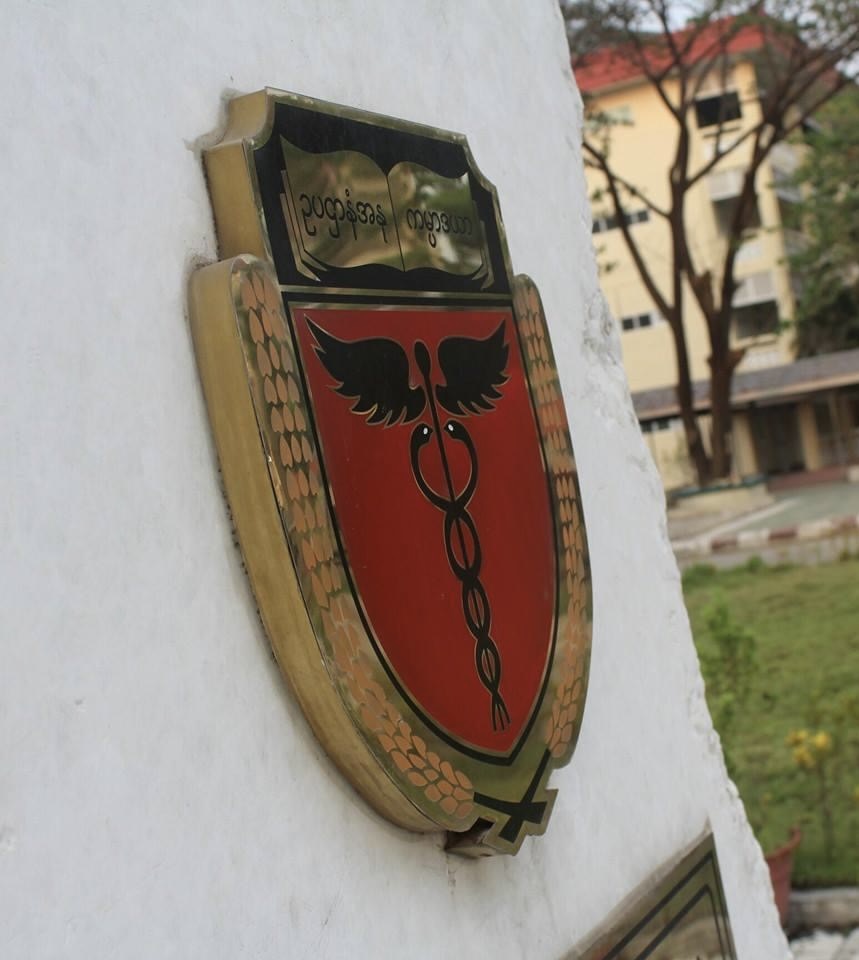
The Interim University Council
Following the military coup of 1 February 2021, all higher education institutions in Myanmar came under control of military-backed administrative bodies. Academic freedom was suppressed; teachers, researchers, and students who participated in the Civil Disobedience Movement (CDM) faced unlawful detention, intimidation, expulsion, and forced disappearance.
"Many students, teachers and academic staffs have lost opportunities to continue their pursuit of academic endeavors that are free from political and oppressive intervention."
To protect the inherent right to uninterrupted education, the Interim University Council (IUC) of the University of Medicine 2, Yangon was established on 24 June 2021 by representatives from the University Students' Union, Students Committee, Teachers' Union, University Alumni, and academic staff — all of whom had participated in the CDM.
Governance Structure
The IUC is the central administrative body, responsible for overseeing academic programs and coordinating with sister institutions: University of Medicine 1 Yangon, University of Medicine Mandalay, University of Medicine Magway, and University of Medicine Taunggyi.
Beneath the IUC, the Academic Board (AB) functions as the senate — an elected body organized by representatives from thirteen Faculty Departments. The Academic Board has full autonomy over curriculum frameworks, assessment design, competency benchmarks, and all university-wide academic decisions. Each Faculty Department, in turn, retains full autonomy over its own subject matter, syllabi, and assessment plans.
All IUCs operate in close coordination with the Ministry of Education, National Unity Government of Myanmar (NUG–MoE) and receive support and guidance from the Ministry of Health, NUG (NUG–MoH), as well as from the Federal Health Profession Council (FHPC) — an independent regulatory and accreditation body conducting evaluation, monitoring, and quality assessment of member universities.